
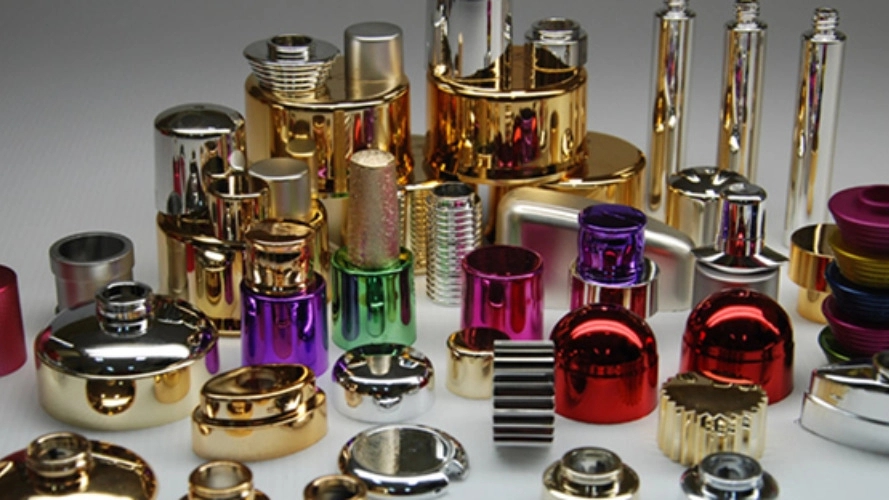
Process of precious metal plating such as gold, rhodes and. . . To increase the value of base metals such as nickel, rice, copper and other metal alloys, it is used in gold and jewelry for custom painting, durability and luster and other properties. Prevent corrosion as well as make jewelry and jewelry more beautiful. The interactions between metals by environmental intermediaries cause it to decompose and decay. Because metals have a desire to return to fixed compounds.
metal caries may be chemically or electrochemical by acids and bases and. . . To do. Therefore, one of the best ways to prevent corrosion of metals is to create a suitable plating or plating for metals, and the most common methods of metal coating are metal painting - glazing and other metals.
Metal plating in Tehran
plating is a process in which a thin layer of metal on the surface of another material is usually deposited. This thin layer improves the appearance of the material, and changes its physical and chemical properties. Iron and metals plating, including the most commonly used processes in the industry, is due to its many benefits.
plating to increase corrosion resistance, wear, friction, as well as improve the appearance and colorability of metals. This process is used in a variety of industries including automotive, aerospace, medicine and electronics.
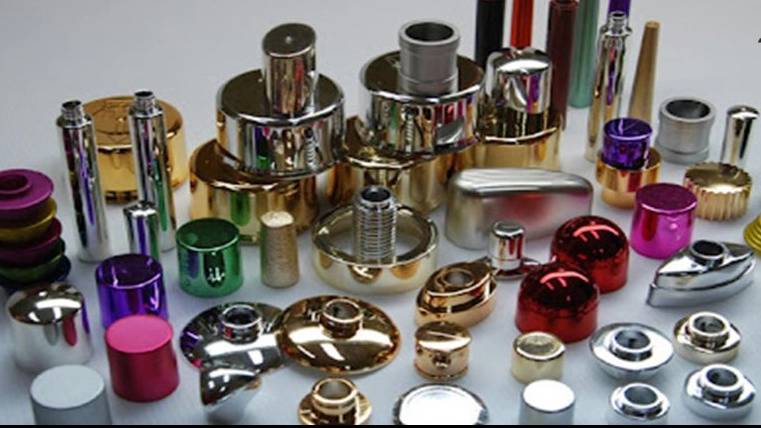
How to do the plating process
Level preparation
This step is the first and perhaps the most important step in the plating process. The metal surface should be completely clean and free of any contamination, fat, oxide and rust to place the plating layer uniformly and consistently. This cleaning is usually done using a variety of methods such as washing with detergents, acid washing, electrolysis or sandblasting.
Plating solution
plating solution, containing metal ions in question And it is other chemicals that help seduction metal and control the quality of the plating layer. These solutions are specialized for any type of metal and special application.
Starting the plating process
At this stage, the cleaned metal piece is placed in the plating solution. >
Electrolyte plating
In this method, the metal piece is placed as a cathode (negative) and another electrode as anode (positive) in the plating solution. By passing the electric current, the metal ions move in the solution to the cathode and adhere to the surface of the metal and form the plating layer.
immersing plating
This method is immersed in the plating solution and with the chemical reaction, the plating layer is formed on the surface.
washing and drying
after the process is completed. Plating, a metal piece should be thoroughly washed from the plating solution to remove any residual solution. The metal piece is then dried to prevent any corrosion or rust in the next step. It is good to know that the price of beams and general steel sections are among the factors that affect the price of plating metals.
Post -plating operation
In some cases, then From plating, other operations such as staining, glaze, or heating to improve the properties and appearance of the plating layer are performed.
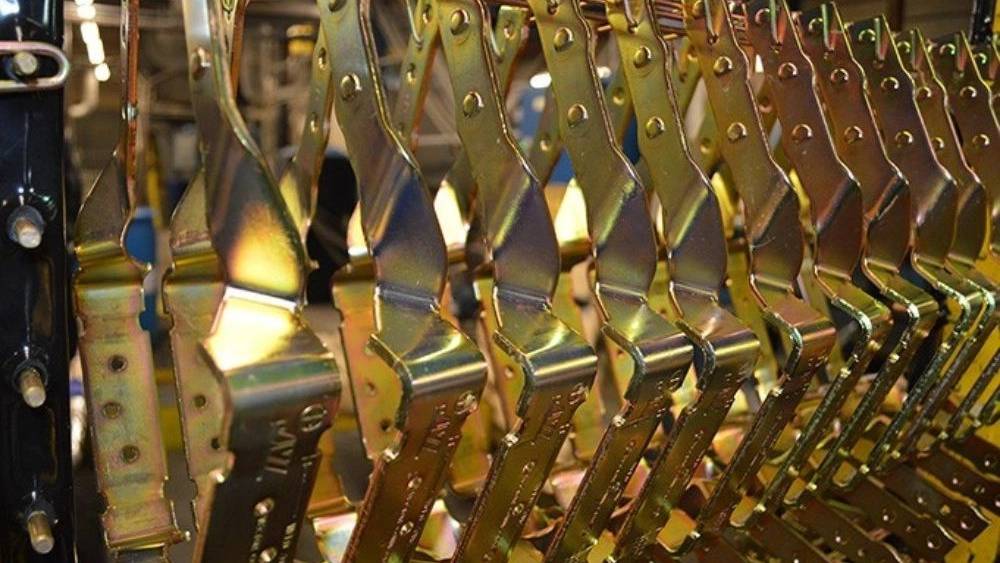
Types of metals in plating
Silver plating
Silver plating is a process in which a thin layer of silver is placed on metal or non -metallic surfaces. This process is done to increase beauty, corrosion resistance and improve electrical conductivity. Silver is also known as a metal with antibacterial properties and is used in the jewelry and electronics industries. Plating methods include electrolyte and non -electrolyte, which can be selected depending on the need.
Gold plating
Gold plating is the process of covering surfaces with a thin layer of gold. This method is used to create beauty and prevent rust. Gold is known as a metal with stainless steel and is popular in jewelry and electronics. Gold plating is done by electrolyte and non -electrolytic methods and the thickness of the gold layer depends on the cost and type of use of the product.
Chrome plating
Chrome plating is a process to increase corrosion and abrasion resistance and improve the beauty of metal surfaces. The chrome layer is especially used for industrial products, automobiles and home appliances. Chrome plating can be hard or decorative, each of which has its own use. Plating methods include electrolyte and immersion that contribute to resistant coatings.
Nickel plating
Nickel plating is a process of coating to metal surfaces with a layer of nickel for the purpose of the nickel. Increased resistance to corrosion and abrasion. This process is used in the automotive, electronic and industrial industries. Nickel can act as a base for other plating such as gold or chromium. This method is usually done electrolytic and provides many advantages, including enhancing beauty and protection of surfaces.
Copper plating
Copper plating is a coating method in which a thin layer of copper is placed on metal surfaces. This process is used to improve electrical and thermal properties, as well as the beauty of parts. Copper has a high electrical conductivity and is used in jewelry and home appliances. Copper plating is usually electrolyte, and this layer can help other plating in the next step.
Plating Zinc
Plating on the metal surface coating process with a layer from It is done to prevent rust and increase the durability of products. The zinc layer operates for surfaces against atmospheric factors. This process is done in both electrolyte and warm immersion. Plating is less expensive than other methods and effectively increases the durability and life of the equipment.
Tin plating
Tin plating is an efficient process for coating metal surfaces with layer Is thin of the tin. This method is used to prevent rust and improve the beauty and durability of products. Tin has a non -condensed and corrosion -resistant effect and is used in the production of canned cans, electronics and jewelry.
Tin plating is usually electrolyte and provides many benefits for the protection and beauty of surfaces.